Minecraft meets Wordsworth
Experience for free this August!
In what is possibly the most imaginative cultural crossovers yet, the globally popular game Minecraft, has been reimagined into a unique way for kids to engage with history thanks to a collaboration between Wordsworth Grasmere and Lancaster University. This August, younger visitors will be able to enjoy free entry to the Litcraft Festival and experience this unique world for themselves.
On 27th and 28th August Wordsworth Grasmere will be hosting a free two-day festival with Litcraft with the first day focussed on child-friendly challenges in Minecraft worlds (ages 7-11) and the second day more advanced (ages 12 to adult). Hosted by the Arts Council as part of a summer long series of activities around Cumbria with Cumbrian libraries, the festival will mix play and culture.
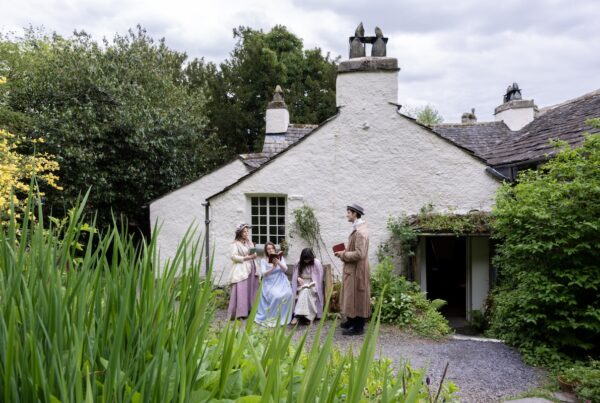
Play in different Litcraft world builds before enjoying a tour of actual and virtual Dove Cottages, a taster of the forthcoming Sherlock Holmes build; a chance to feed into a prototype development project using a Minecraft map of the Lakes to plan walks, plus talks by experts and much more!
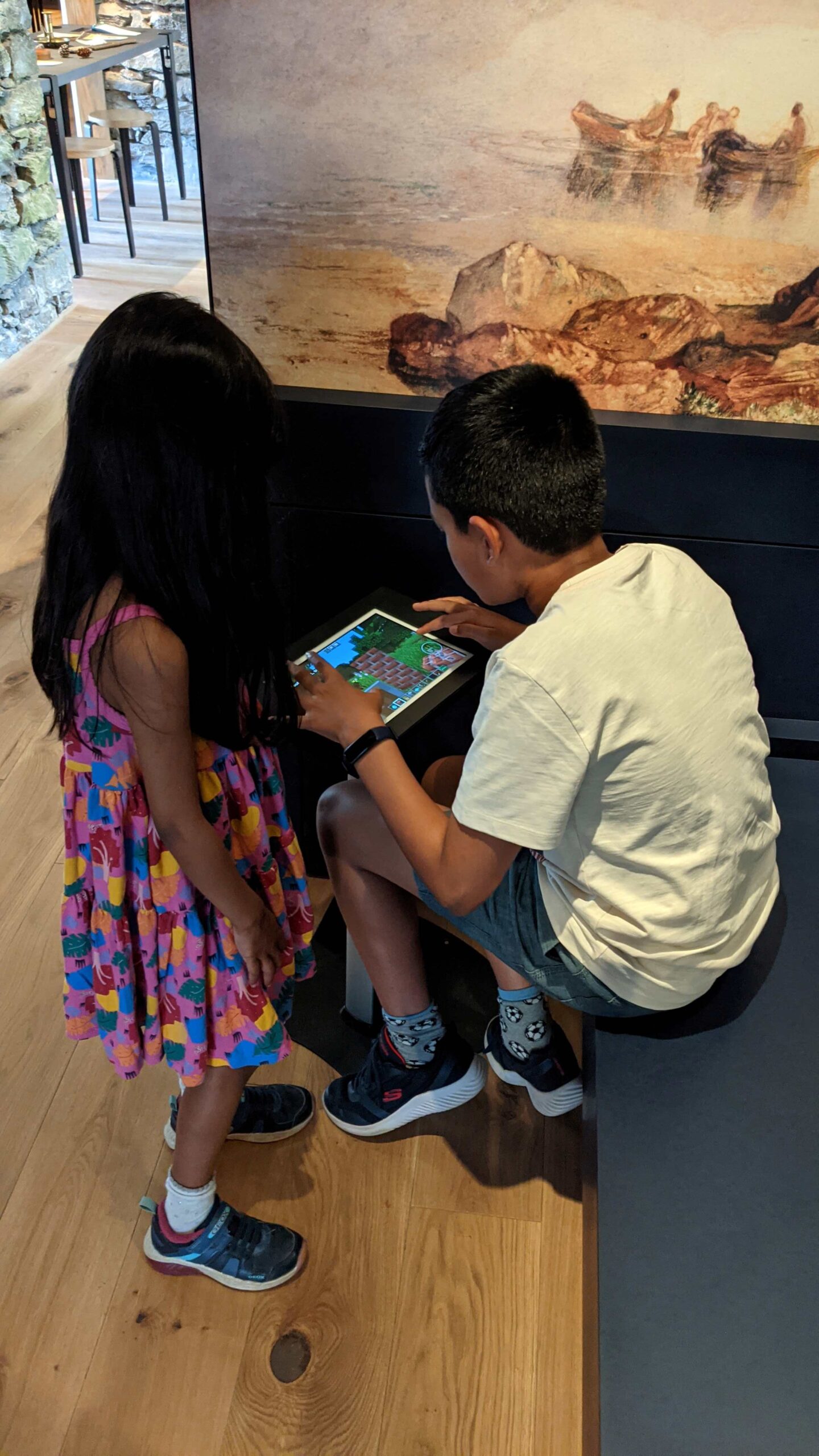
Litcraft, a digital learning tool developed by researchers at Lancaster University, uses the immersive world of Minecraft to re-engage children with literature through play. This summer, it’s being brought to life at the Cumbrian attraction in a new experience that allows families to enjoy the magic and culture of one of the UK’s favourite poets, William Wordsworth via an entirely new medium.
Available exclusively at Wordsworth Grasmere, the Litcraft world build, that links reading the text to playing in the game world, invites players to step into a Minecraft recreation of the Lake District.
The game is structured around Wordsworth’s concept of “spots of time”—vivid childhood memories that shaped his poetic imagination. Players follow a series of tasks that mirror real-life experiences described in Wordsworth’s poetry and journals. For example, after reading his account of ice-skating at night, children can slide on a virtual lake in Minecraft and then locate the actual skates Wordsworth used in the museum.
This approach helps children connect emotionally and intellectually with the literary material, enhancing comprehension, empathy, and engagement. The game has been successfully used in schools and libraries and is designed to be played in pairs or small groups on tablets.
Commenting on the game Zoe McLain, Education Development Manager said:
“It’s important to us as an attraction to ensure that our cultural offering is appealing to visitors of all ages. The ‘Litcraft’ game (developed by Sally Bushell and colleagues at Lancaster University) allows us to engage in a new way with young audiences. It allows players to explore the attraction (and the cartography of the Lake District) in a way that is very visual, interactive and exiting to young people who enjoy Minecraft.
The positioning of the game in our Museum ties it in directly with extracts from The Prelude and objects that relate to these extracts such a barn owl and William’s ice skates. Many of our young visitors study at least one of these poetry extracts for their GCSE’s and this is a really fun way into what can at first appear to be quite complicated autobiographical poetry.”
The Spots of Time theme also runs through the museum’s current exhibition, The Time Lab, a creative studio space inspired by Wordsworth’s The Prelude. Curated by artist Stacey Joy Rossouw, the exhibition invites visitors to reflect on their own powerful memories—those moments that shimmer with feeling and shape who we are. Just as Litcraft transforms Wordsworth’s memories into interactive digital experiences, The Time Lab transforms visitor memories into drawings, sounds, and animations, creating a living, evolving portrait of time and identity
The Museum is also very focused towards creating an atmosphere that transports visitors back in time to the world of the Wordsworths’ using revolutionary audio technology. In Dove Cottage, carefully crafted soundscapes recreate authentic domestic sounds including crackling fires, quill pens scratching across paper, rainfall on the slate roof, and the nostalgic rhythm of horse-drawn carriages passing by. Meanwhile the listening wall in the hamlet of Town End is where visitors can place their ear against specific points to hear whispered poetry, snippets of conversation, or natural sounds that connect Wordsworth’s words to the landscape that inspired them.
Tickets to Wordsworth Grasmere cost £16 per adult and £8 for children. Other concessions and family-friendly tickets are available. Tickets last a whole year offering future visits for free.
Tickets for the Festival are free.
Featured headlines
More news from Wordsworth Grasmere
Wordsworth Trust acquires three valuable letters
Popular TV drama inspires new Wordsworth experience

Expansion at the Wordsworth Trust as new deputy director joins the team

The night that created Frankenstein: Major Gothic exhibition opening at Wordsworth Grasmere